Termites
Termite Control
Dead Animal Removal Melbourne | Any Species, Any Cavity
Sudden bad smell in the house? We locate and remove dead animals across Melbourne the same day, then deodorise and sanitise. Call 0435 073 966 for a free quote.
Tell us what you have seen
A dead animal smell is unmistakable and it does not improve on its own. Tell us roughly where in the house it is strongest and when it started, and we will tell you what is likely and how fast we can get there.
Request a callback
Choose your service, add a few details, and we will call you back with a quote. Open 24 hours — we answer after hours.
Every species, and every place they end up
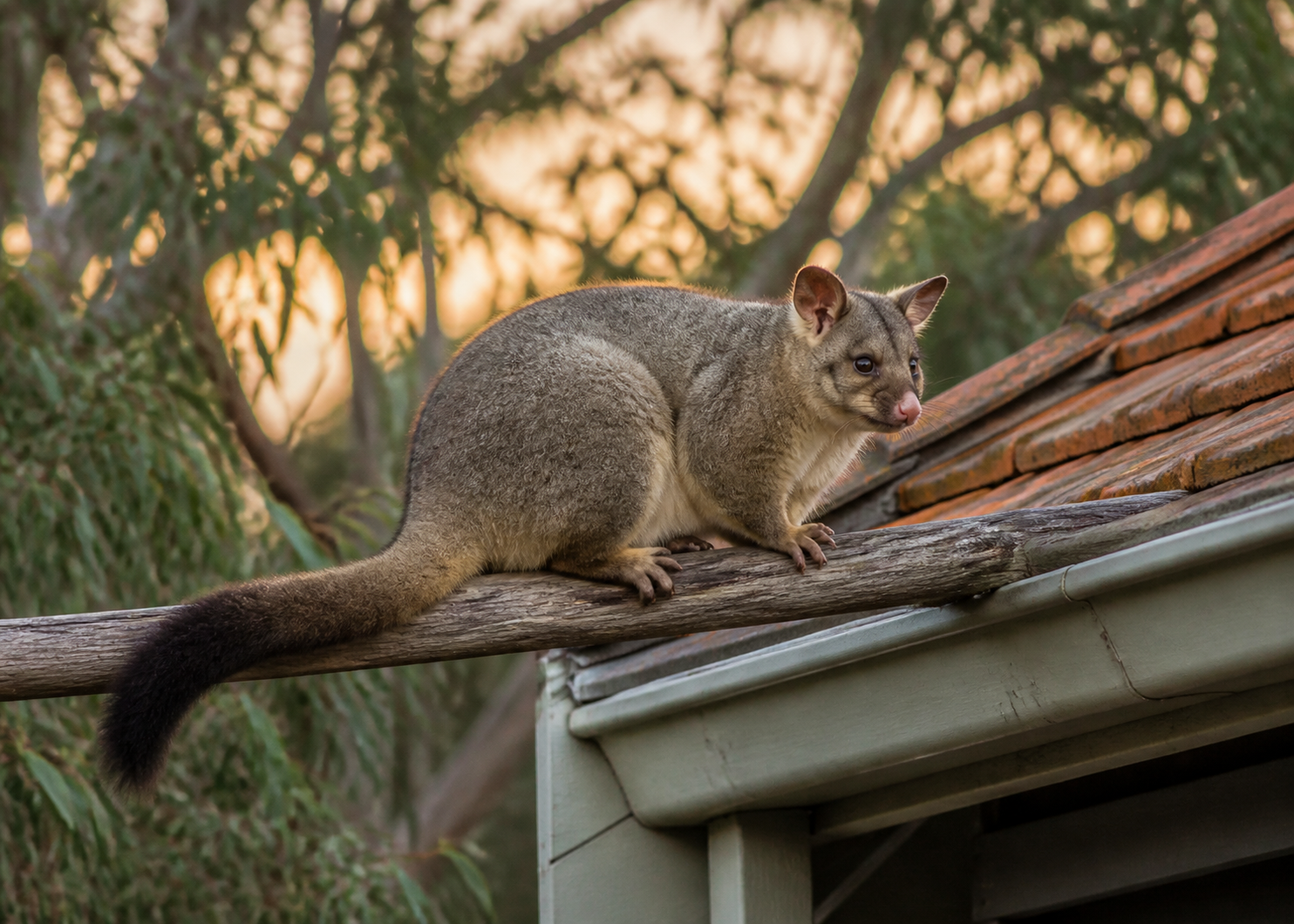
We remove rats, mice, possums, birds, cats, rabbits and snakes — and we go looking in the places they actually die: roof voids and ceiling cavities, inside wall cavities, under floors and in subfloors, in chimneys and flues, under decking and verandas, in ducted heating runs, behind ovens and dishwashers, and in rainwater tanks and downpipes.
Locating it is most of the work. A carcass in a wall cavity gives almost nothing away except the smell, and the smell travels — the strongest point in the room is very often nowhere near the body. We use thermal imaging and fly activity to narrow it down before anything gets opened up.
What we remove, and where it usually is
Roof voids, wall cavities, subfloors, chimneys and under decking. The species changes how long the smell lasts and how hard it is to reach, which is most of what decides the price.
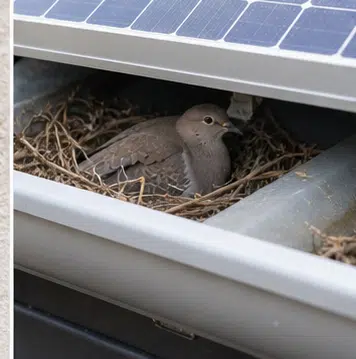
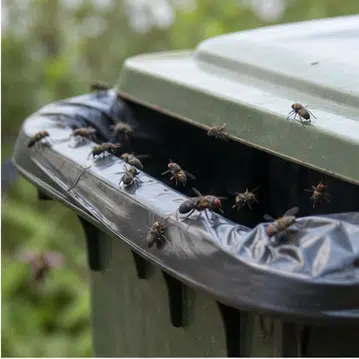
Species, smell and where they usually end up
The species changes how long the smell lasts and how hard it is to reach, which is most of what decides the price.
| Species | Usually found | How long it smells | What it usually needs |
|---|---|---|---|
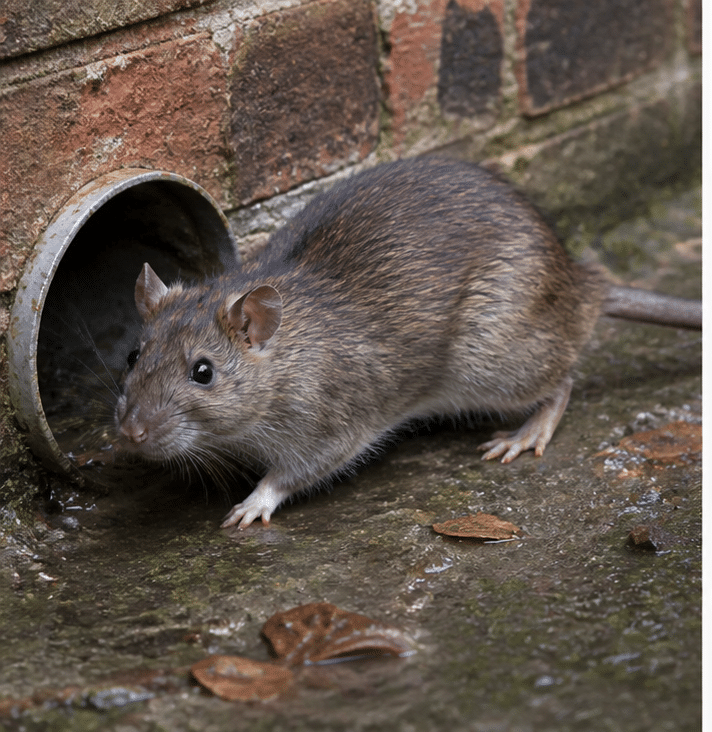
| Rat or mouse | Wall cavity, under floors, behind appliances, roof void | Two to three weeks | Locate, remove, deodorise. Often follows a baiting job. |
| Possum | Roof void, chimney, wall cavity, under decking | Four to eight weeks — a big animal | Roof access, insulation removal, heavy deodorising and sanitising. |
| Bird | Chimney, flue, roof void, eaves, solar panel gap | One to two weeks | Removal plus proofing, since birds nest in groups. |
| Cat or rabbit | Under decking, in a subfloor, in a shed | Four to eight weeks | Access is the main cost. Often needs sanitising of soil. |
| Snake | Subfloor, garage, retaining wall | One to three weeks | Removal and identification — worth knowing what it was. |
How to be sure it is a dead animal and not something else
Gas, drains and mould all get mistaken for this. These are the tells.
Points to a carcass
- A sweet, thick, unmistakable smell that gets worse in the afternoon heat
- Sudden appearance of blowflies indoors, often at one window
- Maggots on a ceiling, cornice or skirting line
- A damp brown stain appearing on ceiling plaster
- Smell strongest in one room and worse when heating or cooling is running
- Rodent or possum activity that stopped abruptly a few days earlier
Points to something else
- A sewer or rotten-egg smell that is constant, not building — check the drains
- A musty, earthy smell with visible dampness — likely mould
- Smell only when the heater starts — often dust burning off
- Rotten smell near the kitchen only — check under and behind appliances
- Sharp ammonia rather than sweet decay — that is urine, not a body
- Gas smell — leave the property and call your gas supplier immediately
Decomposition smell builds over several days, peaks, then slowly fades. If it is building, the animal died recently and it is worth acting now rather than waiting it out.
Blowflies find a carcass long before we do. A window with sudden fly activity is usually the closest point to the body, and maggots on a cornice put it directly above.
A roof void in a Melbourne summer accelerates decomposition dramatically. The same carcass that is bearable in July is unbearable in February.
The parts nobody puts on their website
We would rather set the expectation properly than have you surprised.
How long the smell really lasts
Once the animal is removed, the smell does not vanish that afternoon. Residual odour lives in the surrounding material — insulation, plaster, timber — and takes anywhere from a day to a week to clear fully, faster with ventilation and our deodorising treatment.
If it is left alone entirely, a rat takes two to three weeks and a possum four to eight. Anyone telling you it will be gone within an hour of removal is overselling.
Sometimes the carcass genuinely cannot be reached
A body inside a sealed cavity between two studs, behind tiling, or under a concrete slab may not be reachable without cutting into the wall. We will tell you that honestly and give you the choice, rather than opening up your house first and discussing it afterwards.
Where you would rather not cut, we treat the area with odour neutralisers and control the flies, and the smell resolves — more slowly, but without building work.
Insurance, strata and rentals
If you are renting, in a strata building, or claiming, you usually need documentation rather than just a clean smell. We provide a written record of what was found, where, what was removed and what was treated, with photographs.
That is normally what an owners corporation or property manager needs to authorise the work or split the cost between lots.
The real health issue is what leaves the body
The smell itself is unpleasant but not the main risk. As a carcass decomposes, blowflies lay eggs, maggots hatch and disperse, and mites and beetles leave the body and move into the building looking for a new host.
That is why we sanitise the area rather than just removing the animal, and it is why bird carcasses in particular need the nesting material removed too.
Our four-step dead animal removal
Most jobs are done in a single visit.
Locate
We narrow the source using smell mapping, fly activity and thermal imaging before anything is opened up.
Remove
The carcass and any nesting material are removed and disposed of properly, with minimal disturbance to the building.
Deodorise and sanitise
The area is treated with industrial odour neutralisers and sanitised, and soiled insulation is removed where needed.
Seal the way in
We find and close the entry point, because a dead animal in a cavity means a live one got in there first.
What dead animal removal costs
Every price is a from price. The figure depends on the species, where it is, how much has to be opened up to reach it and how much sanitisation is needed — you get it in writing before we start.
Locate and remove
Accessible carcass — roof void, subfloor, under decking — removed and the area treated.
Removal with deodorising
Removal plus full industrial deodorising and sanitisation of the affected area. The usual job.
Difficult access or large animal
Wall cavity access, possum-sized carcasses, insulation removal and heavier sanitisation.
Clear written quotes.We beat any written quote by 5%. Commercial, strata and end-of-lease jobs are quoted on inspection.
If the smell is still there, so are we
If the odour has not resolved after our treatment we come back and keep working on it at no extra charge. We will also tell you before we start if we think the carcass is somewhere we cannot reach without cutting into the building, so the decision is yours rather than a surprise.
Why this is worth dealing with quickly
Waiting it out is a genuine option people consider. Here is what it involves.
Flies and maggots
A single carcass produces hundreds of blowflies, and maggots disperse through ceiling cavities into living areas.
Secondary pests
Mites, carpet beetles and other scavengers leave the body and move into the building looking for the next host.
Staining
Decomposition fluid soaks into plaster and insulation and leaves a permanent brown stain that will need the sheet replaced.
Trading and tenancy
In a food business, a rental or a strata building this is not just unpleasant — it is a compliance and habitability problem.
Dead Animal Removal questions we get asked
If yours is not here, call 0435 073 966 — we will answer it on the phone without booking you in first.
Call 0435 073 966How much does dead animal removal cost in Melbourne?
Removal of an accessible carcass starts from $149, removal with full deodorising and sanitisation from $249, and difficult access or a large animal such as a possum from $390. The figure depends on the species, where it is and how much has to be opened up. You get it in writing first, and we beat any written quote by 5%.
How long does the smell last?
Left alone, a rat takes two to three weeks and a possum four to eight. Once we remove the animal and deodorise, residual odour in the surrounding insulation and plaster usually clears within a day to a week with ventilation. It does not disappear the moment the animal leaves the building, and we would rather tell you that up front.
What if you cannot reach it?
Sometimes a carcass sits in a sealed cavity, behind tiling or under a slab, and cannot be reached without cutting. We tell you before we start rather than opening your wall and discussing it after. If you would rather not cut, we treat the area with odour neutralisers and control the flies — slower, but no building work.
Can you come today?
Yes — same-day attendance across metropolitan Melbourne, and we answer the phone 24 hours. Dead animal jobs are one of the things we prioritise, particularly in summer.
How do you find it?
Smell mapping, fly activity and thermal imaging. Blowflies find a carcass long before we do, so a window with sudden fly activity or maggots on a cornice usually puts the body within a metre. We narrow it down before anything is opened up.
Which animals do you remove?
Rats, mice, possums, birds, cats, rabbits and snakes — from roof voids, wall cavities, subfloors, chimneys, under decking, ducted heating runs, behind appliances and in water tanks.
Is it a health risk?
The smell itself is mostly unpleasant rather than dangerous. The real issue is what leaves the body — blowflies, maggots, mites and beetles moving into the building. That is why we sanitise the area rather than just removing the animal.
I am renting / it is a strata building. What do I need?
Usually documentation. We provide a written record of what was found, where, what was removed and what was treated, with photographs — which is normally what a property manager or owners corporation needs to authorise or apportion the work.
Why did an animal die in my wall in the first place?
Very often because it was baited. A rodent that takes bait can die anywhere, including inside a cavity. It is one of the reasons we favour external station placement on rodent jobs, and we will find and seal the entry point so the next one does not get in.
Other services that often come up with this one
Sudden smell that will not go away?
We answer 24 hours a day and we can usually be there the same day.
Get your free quote
Tell us what you have seen or heard. We will call you back with a quote before any work starts.