
Termites
Termite Control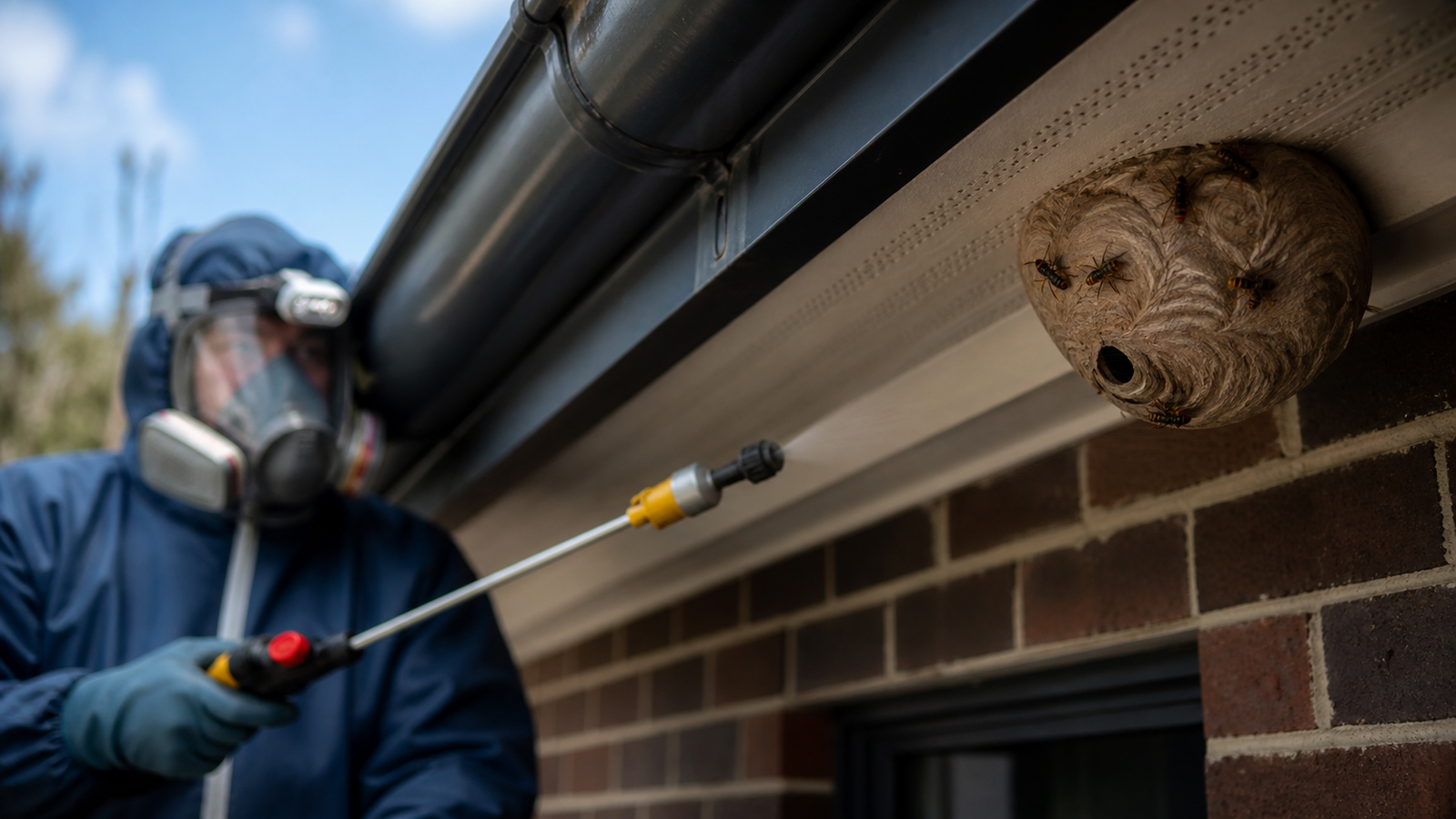
Wasp Control Melbourne | Nest Removal, Same Day
European wasps near a doorway? We remove wasp nests across Melbourne the same day, including cavity and in-ground nests. Call 0435 073 966 for a free quote.
Tell us what you have seen
Wasps near a door, a play area or a workplace entrance are an urgent job, not a next-week job. Tell us where the nest is and how close it is to people.
Request a callback
Choose your service, add a few details, and we will call you back with a quote. Open 24 hours — we answer after hours.
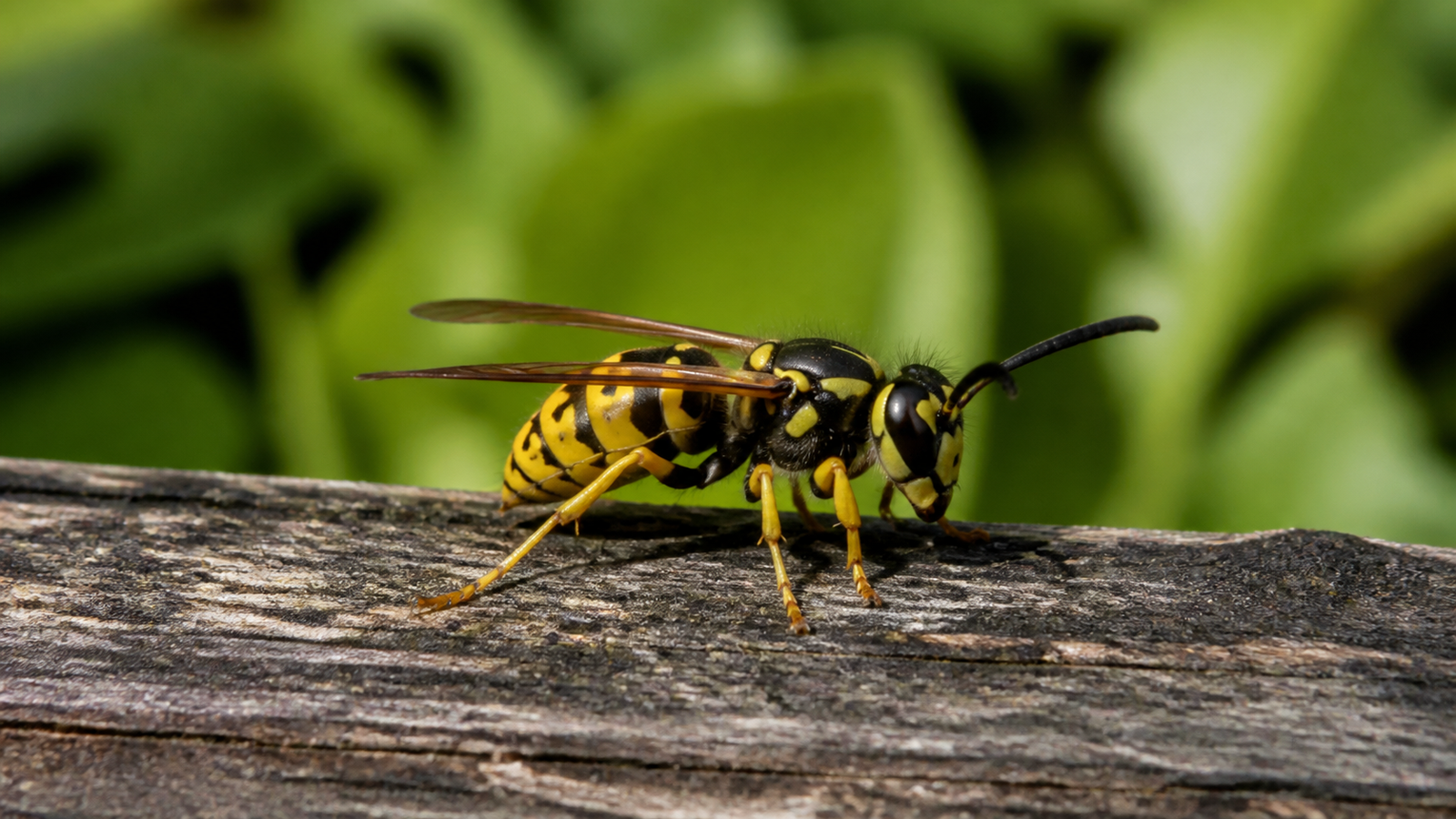
A European wasp can sting you as many times as it likes
That is the difference between a wasp and a bee, and it is why wasps near an entrance are treated as urgent. A European wasp does not lose its sting, and when the nest is disturbed it releases an alarm pheromone that recruits the rest of the colony to the same target.
Melbourne colonies build through spring, peak between January and April, and by late summer a mature nest can hold thousands of workers. The nests that cause injuries are the ones nobody knew about — in a wall cavity, under the eaves, in a compost bay, or in the ground in the middle of a lawn, which is where mower strikes and multiple-sting incidents come from.
Why wasps are treated as urgent
This is the pest most likely to put someone in an ambulance.
Repeat stings
European wasps do not lose their sting and can sting repeatedly. A disturbed nest attacks as a group.
Anaphylaxis
Wasp venom allergy is common and can be severe. Someone with no history can react badly to a first multiple-sting event.
Mower strikes
In-ground nests in lawns are invisible until a mower passes over them, which is how most serious incidents happen.
Structural
A cavity nest grows against plasterboard and can eventually come through a ceiling or wall into a living space.
Finding the nest before someone finds it the hard way
Wasps are easy to watch. Ten minutes of observation usually locates the nest.
Where the nests are
- A steady two-way traffic stream into one point of a wall or eave
- A papery grey nest under the eaves, in a shed or in a carport
- Wasps disappearing into a hole in the lawn or a garden bed
- Activity around a compost bin, wood pile or retaining wall
- A nest inside a roof void found only when it comes through the ceiling
- Wasps entering a weep hole or gap in the brickwork
What you will notice
- Wasps aggressively working a bin, barbecue or pet bowl
- Insects that keep returning to the same spot no matter how often you swat
- Sudden increase in numbers from January onwards
- Wasps indoors at a window with no obvious way in
- Being stung in the garden with no nest visible — usually in-ground
- A buzzing or rustling sound inside a wall or ceiling
Queens emerge in spring, the colony builds through summer and peaks in late summer and early autumn. That is when nests get large and incidents happen.
A nest in a lawn is invisible until a mower or a whipper snipper goes over it. These produce the multiple-sting incidents that put people in hospital.
Honey bees are furry, thickset and carry pollen on their legs; European wasps are smooth, bright yellow and black, and hairless. We never destroy honey bees — they go to a beekeeper.
Wasp or bee? It changes everything we do
We destroy wasp nests. We never destroy honey bees — they go to a beekeeper for relocation. Send a photo if you are unsure and we will tell you before anyone drives out.

The three mistakes that turn a wasp job into a hospital visit
We get called after all three.
Do not seal a cavity nest entrance
It is the most natural instinct and the worst possible move. Wasps that cannot get out the way they came in will chew a new exit — and in a wall cavity the softest material is the plasterboard on your side.
We have attended houses where a sealed weep hole resulted in wasps coming through a bedroom wall. Leave the entrance open and call.
A wasp spray does not reach a nest
Aerosol reaches the wasps at the entrance and enrages the colony. The nest itself, often a metre inside a cavity or half a metre underground, is untouched, and now the colony is in an alarm state with you standing in front of it.
Proper treatment puts product into the nest itself so it collapses. That usually requires equipment and protective clothing, not a ladder and optimism.
Doing it yourself in the dark is still dangerous
The advice to treat at night is real — the colony is home and less active. It is also how people end up stung repeatedly on a ladder in the dark, which is a far worse position than being stung on the ground.
If you have any allergy history, or the nest is above head height, in a cavity, or in the ground, this is not a job worth attempting.
Our four-step wasp treatment
Most nests are dealt with in a single visit.
Identify
We confirm it is a wasp rather than a honey bee — bees are referred to a beekeeper for relocation, never destroyed.
Locate the nest
We track the flight line to the actual nest, which is frequently some distance from where you are seeing the wasps.
Treat
Product is applied directly into the nest so the colony collapses, using protective equipment and appropriate exclusion of the area.
Remove and proof
Where the nest is accessible we remove it, and we advise on the gaps and cavities that will attract next season’s queen.
What wasp nest removal costs
Every price is a from price. The figure depends on where the nest is, how accessible it is and how large the colony has grown — you get it in writing before we start.
Accessible nest
A visible nest under an eave, in a shed or on a structure, within safe reach.
Cavity or in-ground nest
Nests inside a wall cavity, roof void or underground, where the nest has to be located and treated indirectly.
Commercial or multiple nests
Multiple nests, height access, or commercial premises requiring area exclusion and a documented treatment.
Clear written quotes.We beat any written quote by 5%. Commercial, strata and end-of-lease jobs are quoted on inspection.
6-month nest warranty
If wasps re-establish at a nest site we treated within six months, we come back and deal with it at no charge. New nests in a different location are a new job — a queen can arrive from anywhere in spring, and we will not pretend a treatment stops that.
Wasp Control questions we get asked
If yours is not here, call 0435 073 966 — we will answer it on the phone without booking you in first.
Call 0435 073 966How much does wasp nest removal cost in Melbourne?
An accessible nest starts from $159, a cavity or in-ground nest from $249, and commercial or multiple nests from $399. The figure depends on location, access and how large the colony is, and you get it in writing before we start. We beat any written quote by 5%.
Can you come today?
Yes, and wasp nests near a doorway, a play area or a workplace entrance are one of the things we prioritise. We answer the phone 24 hours.
Should I block the hole they are going into?
No — this is the most important thing on this page. Wasps that cannot leave the way they came in will chew a new exit, and inside a wall cavity the softest material is the plasterboard on your side. Leave the entrance open and call us.
Is it a wasp or a bee?
Honey bees are furry and thickset and carry pollen on their back legs. European wasps are smooth, hairless and brightly banded, and they hover with their legs hanging. It matters because we never destroy honey bees — they are referred to a beekeeper for relocation.
Why are there suddenly so many?
European wasp colonies build through spring and peak between January and April. A nest that was unnoticeable in November can hold thousands of workers by February.
Can I treat it myself with a can from the supermarket?
It rarely works and it frequently makes things worse. Aerosol reaches the wasps at the entrance, not the nest, and it puts the colony into an alarm state while you are standing in front of it. In-ground and cavity nests in particular are not a DIY job.
What about a nest in the ground?
In-ground nests are the ones that cause serious injuries, because they are invisible until a mower or whipper snipper passes over them. Mark the spot from a safe distance, keep people and pets away, and call us.
Will they come back next year?
Not to a treated nest — a colony does not reuse one. But a new queen can establish a new nest somewhere else on the property in spring, which is why our warranty covers the site we treated rather than promising you a wasp-free block forever.
Is the treatment safe for my family and pets?
Yes. We exclude the area during treatment and tell you how long to stay clear, which is usually a few hours. Tell us about beehives, chickens or fish ponds nearby and we will work around them.
Other services that often come up with this one
Wasps near a doorway?
We answer 24 hours a day and we can usually be there the same day.
Get your free quote
Tell us what you have seen or heard. We will call you back with a quote before any work starts.