Termites
Termite Control
Ant Control Melbourne | Treated at the Nest
Ant trail across the kitchen bench? We treat ants at the nest across Melbourne, not just the ones you can see. Call 0435 073 966 for a free quote.
Tell us what you have seen
Ants are the pest people put up with longest before calling. Tell us where the trail runs and what they are going for, and we will tell you which species it is and where the nest is likely to be.
Request a callback
Choose your service, add a few details, and we will call you back with a quote. Open 24 hours — we answer after hours.

The ants on the bench are the delivery drivers, not the problem
A foraging trail is a supply line running back to a nest that may be under the pavers, inside a wall cavity, beneath the slab or in a pot plant. The queen is in there producing replacements faster than you can wipe the bench, which is why killing the visible ants changes nothing for more than a day.
Worse, spraying a trail with a repellent product can split the colony. Several species respond to chemical stress by budding — the colony divides and satellite nests establish elsewhere on the property. People often call us with three trails where they used to have one, after a fortnight of spraying.
One identification matters more than the rest. Large ants coming out of damp or decaying timber are regularly mistaken for termites, and the two need completely different work — so if what you are seeing is in the timber rather than on it, say so and we will check properly before quoting anything.
What you have probably noticed already
Ants are the easiest pest to read, because they tell you where they are going.
Inside
- A defined trail along a bench edge, skirting or window frame
- Ants appearing within minutes of any food being left out
- Activity around the dishwasher, kettle or pet bowl
- Ants in the pantry, especially around honey and sugar
- Winged ants at a window in spring — a colony sending out reproductives
- Trails that reappear in exactly the same place after cleaning
Outside
- Fine sand or soil piled in paving joints or along a path
- Ants streaming up a wall, a downpipe or a tree trunk
- Nests under pot plants, pavers, mulch or the letterbox
- Trails along the top of a fence or a retaining wall
- Activity concentrated around an outdoor tap or air conditioner drain
- Pavers or path edges sinking slightly over a season
Several species split the colony in response to repellent spray. If DIY treatment multiplied your trails rather than reducing them, that is what happened.
In a dry Melbourne summer ants come indoors for water as much as food, which is why trails end at sinks, dishwashers and pet bowls rather than the pantry.
Small piles of excavated sand mean a colony is working under the slab or pavers. Over time that undermines them, which is the one genuinely structural ant problem.
The Melbourne species that actually matter
Species decides the bait. A sugar-feeding ant ignores a protein bait entirely, which is the usual reason a supermarket bait station does nothing.
| Species | What you notice | Where it nests | What it needs |
|---|---|---|---|
| Black house ant | Fine trails to sweet food, benches and pet bowls | Wall cavities, under paving, in roof voids | Sweet gel bait taken back to the nest. |
| Coastal brown ant | Small piles of excavated sand on paths and paving joints | Under slabs, pavers and driveways | Granular and gel bait — this is the one that undermines paving. |
| Argentine ant | Enormous trails, many nests, no fighting between them | Shallow nests almost anywhere, including garden beds | Non-repellent products only — spray causes budding. |
| Pharaoh ant | Tiny yellow ants indoors, often in hospitals and kitchens | Warm cavities, behind appliances, in insulation | Bait only. Spraying reliably makes this species worse. |
| Carpenter ant | Large ants and coarse sawdust near damp timber | Inside damp or decayed structural timber | Treatment plus fixing the moisture source. |
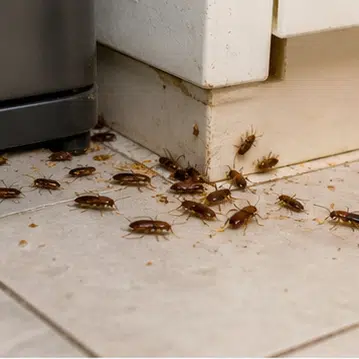
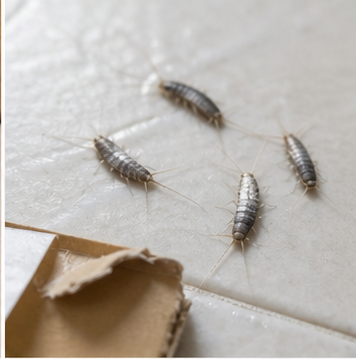
Ants and the pests that share their route in
Ants follow moisture and food into the same kitchens and wet areas as everything below. If you have more than one, say so — treating them on the same visit is cheaper than two callouts.
Why supermarket ant products so often fail
There are only two reasons, and both are easy to explain.
Sugar ants ignore protein bait, and the reverse
Ant baits are food-specific. A colony feeding on sweets will walk past a protein bait for weeks, and a colony raising brood on protein will ignore a sugar gel. The shelf product is a coin toss.
We identify the species and what it is currently feeding on before choosing the bait, and it is normal for a colony’s preference to change through the season — which is why the choice matters more than the brand.
Repellent spray splits colonies
A repellent surface spray kills foragers on contact and warns the rest. Species like Argentine and pharaoh ants respond by budding — the colony divides and establishes satellite nests away from the threat.
That is why we use non-repellent products the ants walk through and carry home, and why we ask you to stop spraying the trail before we arrive. Wiping the trail away also removes the pheromone path we use to find the nest.
It gets busier before it goes quiet
Gel bait works by being attractive, so for the first day or two you will often see more ants, not fewer, as recruitment to the bait ramps up. That is the treatment working.
Most colonies collapse within a week to ten days. If you clean the gel away because the activity worried you, the job starts again — so leave the dots alone.
Our four-step ant treatment
Nest first. Everything else is cosmetic.
Identify
We confirm the species and what it is feeding on, which decides the bait — this is the step that most DIY attempts skip.
Trace the nest
We follow the trail back to the nest, whether that is a wall cavity, under paving, in a pot or beneath the slab.
Bait
Non-repellent gel or granular bait is placed on the trail so foragers carry it back to the queen and the colony collapses from the inside.
Barrier
A perimeter treatment around the building stops the next colony moving in, and we point out the moisture or food source that attracted this one.
What ant treatment costs
Melbourne ant treatments typically run $150 to $330. Every price below is a from price — the figure depends on the property size, the species, and whether the nest is inside, outside or under a slab. You get it in writing before we start.
Targeted treatment
Inspection, species identification and gel baiting of the affected area.
Full property treatment
Interior baiting plus a full external perimeter barrier — the usual choice for a house with trails inside.
Multiple nests or paving
Coastal brown ant work under paving and slabs, or properties with several established colonies.
Clear written quotes.We beat any written quote by 5%. Commercial, strata and end-of-lease jobs are quoted on inspection.
Free re-treatment inside the warranty period
If the pest comes back inside the warranty period on a treated property, we return and re-treat at no charge. The warranty follows the treatment, not the visit — an inspection on its own cannot be warranted, and we would rather say that plainly than sell you a guarantee that quietly excludes you.
What ants actually cost you
Mostly nuisance — with two real exceptions.
Food contamination
Ants trail across bins, drains and garden soil before they reach your bench, pantry and pet bowls.
Paving and slabs
Coastal brown ants excavate soil from under pavers, paths and driveways, which over a season causes them to sink.
Electrical
Ants nest inside warm equipment — air conditioners, meter boxes and appliances — and cause genuine faults.
It escalates
An untreated colony sends out winged reproductives that found new colonies on the same property.
Ant Control questions we get asked
If yours is not here, call 0435 073 966 — we will answer it on the phone without booking you in first.
Call 0435 073 966How much does ant control cost in Melbourne?
Melbourne ant treatments typically run $150 to $330. Ours start from $149 for a targeted treatment, $189 for a full property treatment with a perimeter barrier, and $269 where there are multiple nests or work under paving. You get the figure in writing before we start, and we beat any written quote by 5%.
Why do the ants keep coming back?
Because the nest was never treated. The ants on your bench are foragers from a colony that may be in a wall cavity, under the pavers or beneath the slab, with a queen producing replacements continuously. Killing foragers changes nothing for more than a day.
Why did spraying make it worse?
Repellent sprays kill foragers and warn the colony. Several species — Argentine and pharaoh ants especially — respond by budding, which means the colony splits and establishes satellite nests elsewhere. One trail becomes three. We use non-repellent products that ants carry home instead.
Why didn’t the supermarket bait work?
Ant baits are food-specific and colonies switch preference through the season. A colony feeding on sweets will ignore a protein bait for weeks. We identify what the species is actually feeding on before choosing the bait.
I’m seeing more ants since you treated. Is that normal?
Yes, and it is a good sign. Gel bait is designed to be attractive, so recruitment increases for a day or two before the colony collapses. Please do not wipe the gel away — that stops the treatment.
How long until they are gone?
Most colonies collapse within about seven to ten days of taking bait. Large or multiple colonies, and nests under a slab, can take longer, and we will tell you if we think yours is one of those.
Is the treatment safe around food areas and pets?
Yes. Gel is placed in small dots in cracks and along trails rather than sprayed across surfaces, and the perimeter work is external. We will tell you which dots to leave alone and where not to wipe.
Can ants damage my house?
Two can. Coastal brown ants excavate soil from under pavers, paths and driveways and cause them to sink, and ants nesting in air conditioners, meter boxes and appliances cause electrical faults. Carpenter ants also indicate timber that is already damp or decaying.
Should I clean the trail before you come?
No — please leave it. The pheromone trail is what we follow back to the nest. Cleaning it away right before the visit makes the job harder.
Other services that often come up with this one
Trail across the bench again?
We answer 24 hours a day and we can usually be there the same day.
Get your free quote
Tell us what you have seen or heard. We will call you back with a quote before any work starts.