
Termites
Termite Control
Moth Control Melbourne | Clothes Moths and Pantry Moths
Holes in your knitwear or moths in the pantry? We treat both across Melbourne — they are different pests. Call 0435 073 966 for a free quote.
Tell us what you have seen
Tell us whether the moths are in the wardrobe or the pantry. They are two different insects with two different treatments, and the answer changes everything.
Request a callback
Choose your service, add a few details, and we will call you back with a quote. Open 24 hours — we answer after hours.

Two completely different problems that share a name
Clothes moths eat protein — wool, cashmere, silk, felt, feathers and the wool in rugs and carpet underlay. They avoid light, so the damage happens in the dark parts of a wardrobe, in stored winter clothing and under furniture where a rug is never disturbed. The adult moth you see fluttering does not eat anything; the larvae do all the damage.
Pantry moths eat starch — flour, rice, cereal, dried fruit, nuts, pasta and pet food, and they almost always arrive inside a packet from the shop. They are a cupboard problem, not a clothing problem, and no amount of treating the wardrobe will touch them.
Moth damage and what gets mistaken for it
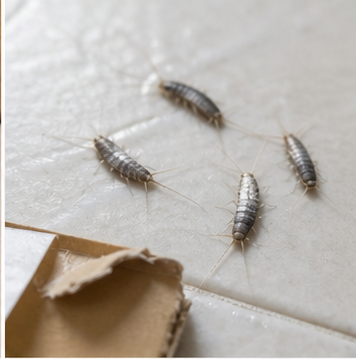
Holes in wool are usually clothes moth. Grazed paper and wallpaper is usually silverfish. They live in the same wardrobes and they need different treatment.
The biology that decides which of your things are at risk
Clothes moths are one of very few insects that can digest keratin. Almost everything else about the problem follows from that single fact.
Clothes moth larvae can digest keratin, the protein in wool, cashmere, silk, fur and feathers. Cotton and synthetics have none, so they are largely ignored — unless they are soiled with sweat, food or body oils. That is why damage clusters around collars, cuffs and underarms, and why a garment worn once and hung up is at far more risk than a clean one.
The webbing clothes moth leaves silken tubes and loose webbing on the fabric. The casemaking clothes moth drags a small portable case around with it, which you find stuck to the garment or the wardrobe wall. Both are treated the same way, but spotting the case tells us which we are dealing with.
The adult webbing clothes moth has no functional mouthparts at all. Every bit of damage is done by larvae. Killing the moths you can see achieves nothing except removing the ones about to lay — which is why treatment has to reach the larvae in the wardrobe, the storage box and the rug.
Clothes moths avoid light and tend to scuttle rather than flutter. A moth circling your lamp is far more likely to be a pantry moth or something from the garden. The clothes moth is the one you disturb when you move a stored box.
Indian meal moth larvae crawl away from the infested packet before pupating, which is why you find cocoons in the corner of a ceiling above the cupboard rather than in the food. Following that trail back is usually how we find the source packet.
The traps sold in supermarkets attract males only. They tell you whether you still have a problem, which is genuinely useful — but they cannot clear one, and a trap that keeps catching is a sign to treat, not a treatment. Freezing at minus eighteen for seventy-two hours, a sixty-degree wash or dry cleaning all kill every stage.
How to tell which moth you have
Look at what is damaged, not at the moth.
Clothes moth
- Irregular holes in wool, cashmere, silk or felt
- Damage concentrated in stored or rarely-worn clothing
- Silken tubes or cases stuck to fabric
- Bare patches in a wool rug under furniture
- Small moths that run or crawl rather than fly to light
- Fine gritty frass in a wardrobe base or drawer
Pantry moth
- Webbing and clumping in flour, rice, cereal or pet food
- Small caterpillars on the underside of a cupboard shelf
- Cocoons in the corner where the shelf meets the wall
- Moths flying out when a cupboard is opened
- Damage confined entirely to dry food
- Larvae crawling on the ceiling above the pantry
In both species the adult moth causes no damage at all. The larvae do everything, which is why killing the moths you see changes nothing.
Clothes moth damage happens where clothing is stored and rugs are never lifted. If you wear it and move it, it is generally safe.
Pantry moth almost always arrives inside a sealed product. It is not a sign of a dirty kitchen, and it will recur if the infested packet is not found.
What actually works
Most of the advice online is aimed at the wrong stage of the insect.
Mothballs are not a treatment
Naphthalene and camphor products only work at concentrations high enough to be genuinely unpleasant and, in a normal wardrobe, they mask rather than kill. They also leave a smell in fabric that is very hard to remove.
Effective clothes moth control means treating the wardrobe and drawer voids and dealing with the affected garments — freezing, hot washing or dry cleaning — rather than hanging a deterrent in the middle of the problem.
Pantry moth comes back until you find the source item
There is nearly always one infested packet — often flour, birdseed, dried fruit or pet food at the back of the cupboard — that everything else came from. Until it goes, the problem recurs.
We will help you find it, and the honest advice is to decant dry goods into sealed containers afterwards. That single habit prevents most repeat infestations.
Our four-step moth treatment
Different path for wardrobe and pantry.
Identify
Clothes moth or pantry moth — confirmed before anything is treated, because the treatments have nothing in common.
Find the harbourage
Wardrobe and drawer voids, stored clothing, rugs and underlay for clothes moth; every dry-goods packet and shelf void for pantry moth.
Treat
Residual treatment into the voids, shelving edges and cupboard interiors where larvae live, rather than over your clothes or food.
Prevention
Practical advice on storage — sealed containers for dry goods, cleaning before storing woollens, and lifting rugs periodically.
What moth treatment costs
Every price is a from price, depending on how many rooms and storage areas are affected. You get the figure in writing before we start.
Targeted treatment
One wardrobe, pantry or room treated, with identification and advice.
Full property treatment
All wardrobes and storage, or the full kitchen and pantry, with follow-up advice. The usual choice.
Rugs and extensive storage
Wool rugs, carpet underlay, multiple storage areas or heavy infestations.
Clear written quotes.We beat any written quote by 5%. Commercial, strata and end-of-lease jobs are quoted on inspection.
Free re-treatment inside the warranty period
If the pest comes back inside the warranty period on a treated property, we return and re-treat at no charge. The warranty follows the treatment, not the visit — an inspection on its own cannot be warranted, and we would rather say that plainly than sell you a guarantee that quietly excludes you.
What moths cost you
Quietly, and usually in things that cannot be replaced.
Clothing
Wool, cashmere and silk damage is not repairable and tends to be found at the start of winter, months after it happened.
Rugs
Wool rug damage under furniture can be extensive before anyone lifts the furniture to see it.
Food waste
A pantry moth infestation typically means discarding most of a cupboard’s dry goods.
It spreads slowly
Both species build quietly over months, so by the time it is obvious there are usually several generations present.
Moth Control questions we get asked
If yours is not here, call 0435 073 966 — we will answer it on the phone without booking you in first.
Call 0435 073 966How much does moth treatment cost in Melbourne?
A targeted treatment of one wardrobe, pantry or room starts from $139, a full property treatment from $179, and work involving wool rugs or extensive storage from $249. You get the figure in writing before we start.
Are clothes moths and pantry moths the same thing?
No, and it matters. Clothes moths eat protein — wool, cashmere, silk, felt, feathers and wool carpet. Pantry moths eat starch — flour, rice, cereal, dried fruit and pet food. Treating the wardrobe will not touch a pantry moth problem and vice versa.
Do mothballs work?
Not really. They only work at concentrations high enough to be genuinely unpleasant, and in a normal wardrobe they mask rather than kill — while leaving a smell in fabric that is very hard to get out. Treating the wardrobe voids and dealing with affected garments works far better.
The moths I see are not eating anything. Why?
Because adult moths do not feed. All the damage is done by the larvae, which is why killing the moths you can see changes nothing. The treatment has to reach where the larvae are.
Where did pantry moths come from?
Almost always inside a sealed packet from the shop — commonly flour, birdseed, dried fruit or pet food. It is not a sign of a dirty kitchen. Finding that source packet is what stops it recurring.
Can I save the clothes that have been damaged?
The holes cannot be undone, but the garments can be saved from further damage by hot washing, dry cleaning, or sealing and freezing for at least 72 hours. We will tell you which items are worth treating and which are not.
Do you treat wool rugs and carpet?
Yes. Wool rugs and carpet underlay under furniture that never gets moved are a classic clothes moth site, and it is often the largest damage on a property because nobody looks there.
How do I stop it happening again?
For pantry moths, decant dry goods into sealed containers — that single habit prevents most repeats. For clothes moths, clean woollens before storing them, store in sealed containers rather than open shelves, and lift rugs periodically.
Other services that often come up with this one
Holes in the knitwear again?
We answer 24 hours a day and we can usually be there the same day.
Get your free quote
Tell us what you have seen or heard. We will call you back with a quote before any work starts.