
Termites
Termite Control
Residential Pest Control Melbourne | Annual Home Protection
Tired of booking pest control every summer? We run annual home plans across Melbourne with a quote and priority callouts. Call 0435 073 966.
Tell us what you have seen
Tell us the property type — house, unit, townhouse — and whether you have pets, children or anyone with asthma. That is what shapes the plan and the products.
Request a callback
Choose your service, add a few details, and we will call you back with a quote. Open 24 hours — we answer after hours.
A plan rather than a panic
Most households call a pest controller when something has already gone wrong, which is always the most expensive moment to call. An annual plan puts a treatment in place in early spring, before populations build through summer, and includes priority attendance if something turns up between visits.
It also means we get to know your property. The subfloor vent that is blocked, the branch touching the roof, the gap under the laundry door — these are the things that keep producing problems, and a technician who has been before will notice a change rather than starting from scratch each time.
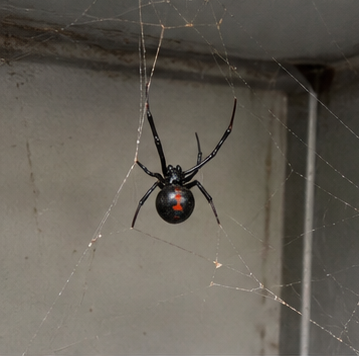
The pests a Melbourne home actually gets
A plan puts the treatment in before the summer build rather than after you have found them.


What turns up, and when
Pest pressure here is seasonal and fairly predictable. A plan is worth having because it puts the treatment in before the season that needs it, not after.
Spiders mature and start building, ants send out foraging trails as the ground warms, wasp queens found new nests, and rodents begin breeding. This is the cheapest month to treat anything, because every population is at its annual low and you are getting ahead of it rather than chasing it.
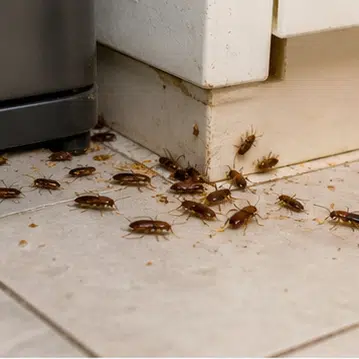
Cockroaches and flies hit their fastest breeding rate, wasp nests reach dangerous size, and any dead animal in a roof becomes a same-day emergency within a day. This is when every pest controller in Melbourne is booked out, so a treatment arranged now is a booking you no longer need.
Rodents move in as nights cool, cluster flies gather in roof voids to overwinter, and male spiders wander looking for mates, which produces the autumn spike in sightings. Proofing done now is worth more than treatment done in July.
Rodents are established in roofs and wall cavities, silverfish thrive in damp subfloors and unventilated bathrooms, and clothes moths work through stored winter woollens. Fewer callouts, but the damage happening is the kind you find months later.
Period homes with a subfloor, properties backing onto parkland, creeks or reserves, and anywhere with a history of repeat problems. A newer home with a sealed subfloor, minimal garden and no roof-void access often goes years without needing anything, and we will tell you so.
Priority attendance, free re-treatment of covered pests inside the warranty, and a technician who has seen your property before and notices what has changed. The value is as much in not starting a search for a pest controller at 9pm as it is in the treatment itself.
Which household is this for
It suits some homes far better than others.
A plan makes sense
- You have called someone out more than once in two years
- The property backs onto parkland, a creek, a reserve or bushland
- There is a period subfloor, a roof void or heavy garden around the house
- Someone in the house has asthma or a sting allergy
- You have pets, or small children on the floor
- It is a rental you manage and want kept out of dispute
A one-off is probably enough
- You have had one isolated problem and nothing since
- A newly built home with sealed subfloor and minimal garden
- An apartment above ground level with no roof void
- You are selling and just want the property presented well
- You want one specific pest dealt with, not general coverage
- You are moving out and need an end-of-lease treatment instead
Populations of spiders, ants and cockroaches build from September. A treatment in early spring is worth considerably more than the same treatment in February.
Asthma, pregnancy, immune conditions, fish, birds, chickens and beehives all change what we use and where. It is never a problem if we know beforehand.
The value is not only the treatment — it is that you are not starting a search for a pest controller at 9pm when something appears.
When we will tell you not to bother
A plan is not automatically the right answer.
Plenty of homes only need a one-off
A newer home with a sealed subfloor, minimal garden and no roof-void access often goes years without an issue. Selling you an annual plan there is selling you a subscription you do not need.
We will say so. The properties that genuinely benefit are period homes with subfloors, houses backing onto reserves and parkland, and anywhere with a history of repeat problems.
The product changes when the household does
Children crawling on floors, pets, chickens, fish, birds and anyone with asthma or an immune condition all change what we use and where we put it. So does pregnancy.
None of it is a problem when we know in advance — but it does mean the cheapest generic treatment is not always the right one, and we would rather adjust the method than the safety.
How a residential plan runs
One scheduled visit a year, plus whatever else you need.
Initial inspection
A full walk-through of the property, inside, roof void, subfloor and grounds, so we know what we are dealing with.
Spring treatment
The main annual treatment, scheduled before the summer population build rather than in the middle of it.
Priority between visits
If something appears between treatments you go to the front of the queue, and covered pests are re-treated at no charge.
Annual review
We reassess the property each year — new landscaping, a new deck or a new pet all change the picture.
What a home plan costs
Every price is a from price and depends on the property size and type. You get the figure in writing before we start.
Unit or apartment
Internal treatment plus balcony and entry areas, suited to apartments and smaller units.
Standard home plan
Annual internal and external treatment with a 6-month warranty and priority attendance between visits.
Large or acreage property
Larger homes, multi-storey properties, and homes on larger blocks with extensive garden and outbuildings.
Clear written quotes.We beat any written quote by 5%. Commercial, strata and end-of-lease jobs are quoted on inspection.
Free re-treatment inside the warranty period
If the pest comes back inside the warranty period on a treated property, we return and re-treat at no charge. The warranty follows the treatment, not the visit — an inspection on its own cannot be warranted, and we would rather say that plainly than sell you a guarantee that quietly excludes you.
What reactive pest control costs you
The difference is mostly timing.
Peak-season pricing
Every Melbourne pest controller is busiest from December to March. Booking then means waiting, not choosing.
Bigger populations
A problem found in February has had all summer to build. The same problem in September is a fraction of the work.
Missed early signs
Regular visits are how rodent entry points and early termite activity get found before they are expensive.
Repeat callouts
Reacting repeatedly to the same recurring pest usually costs more over two years than a plan would have.
Residential Pest Control questions we get asked
If yours is not here, call 0435 073 966 — we will answer it on the phone without booking you in first.
Call 0435 073 966How much does residential pest control cost in Melbourne?
Unit and apartment plans start from $159, a standard home plan from $189, and larger or acreage properties from $289. The figure depends on property size and type and you get it in writing before we start. We beat any written quote by 5%.
What does the plan cover?
The annual treatment covers spiders, cockroaches, ants and silverfish inside and out, with a 6-month warranty and priority attendance between visits. Rodents, termites, bed bugs, fleas and wildlife are separate services — we will tell you if you need one.
Do I actually need an annual plan?
Not everyone does. A newer home with a sealed subfloor, minimal garden and no roof-void access often goes years without an issue, and we will say so rather than sell you a subscription. Plans genuinely suit period homes with subfloors, properties backing onto parkland, and anywhere with a history of repeat problems.
When is the best time of year?
Early spring. Spider, ant and cockroach populations build from September, so a treatment in place before that is worth considerably more than the same treatment in February — and you are not competing for a booking in peak season.
Is it safe with children and pets in the house?
Yes, and we adjust the method to the household. Tell us about children crawling on floors, pets, chickens, fish tanks, birds, beehives, asthma, pregnancy or immune conditions and we will change what we use and where. None of it is a problem if we know in advance.
Do I get the same technician each time?
Wherever we can manage it, yes. It genuinely matters — a technician who has been to your property before notices what has changed instead of starting from scratch.
What if something appears between visits?
You get priority attendance, and if it is one of the pests your treatment covers we re-treat at no charge inside the warranty period.
Can you do apartments and units?
Yes. Apartment work is a smaller scope — internal treatment plus balcony and entry areas — and priced accordingly. Where a problem is coming through shared walls or service voids we will give you a report for the owners corporation.
Do you treat rental properties for landlords?
Yes, and we provide the treatment record property managers ask for. If you manage several properties, tell us and we will schedule them together.
Other services that often come up with this one
Want it handled before next summer?
We answer 24 hours a day and we can usually be there the same day.
Get your free quote
Tell us what you have seen or heard. We will call you back with a quote before any work starts.