
Termites
Termite Control
Spider Control Melbourne | Redback and Webbing Spiders
Redbacks around the kids’ play area? We treat spiders across Melbourne the same day and remove the webs. Call 0435 073 966 for a free quote.
Tell us what you have seen
Most spider calls are about one of two things: redbacks somewhere a child or a dog goes, or webbing over the whole exterior. They need different work. Tell us which it is and where.
Request a callback
Choose your service, add a few details, and we will call you back with a quote. Open 24 hours — we answer after hours.
The dangerous ones and the messy ones are not the same job
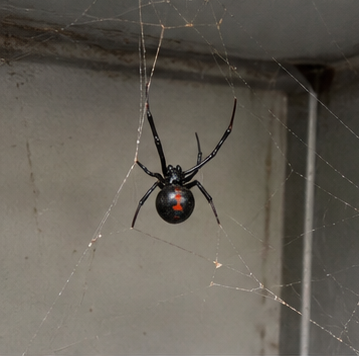
Melbourne has two spider problems. The first is the redback — a genuine medical risk that lives in exactly the places children and pets put their hands: under outdoor furniture, inside the letterbox, in the rim of a trampoline frame, under the barbecue and in the gap behind the meter box.
The second is webbing spiders — black house spiders and their relatives — which are not dangerous but coat eaves, window frames and the veranda in webbing that comes straight back after you hose it off. Treating them properly means a residual applied to the surfaces they build on, plus physically removing the existing webs so the next generation has nowhere to anchor.
A heavy webbing population is usually a sign there is plenty for them to catch. Outdoor lighting draws moths, flies and the occasional cockroach, and the webs go up where the food is — which is why the treatment follows your lighting and your eaves rather than the rooms inside.
What you have probably noticed already
Spiders are easier to read than most pests, because you can usually see the web and the web tells you the species.
Around the outside
- Untidy, tangled webbing under the eaves and around window frames
- A funnel-shaped retreat in a brick weep hole or wall crevice
- Messy webbing with white egg sacs under outdoor furniture
- Webs across the letterbox, meter box or garden tap
- Webbing rebuilt within days of being hosed off
- Spiders visible around outdoor lighting after dark
Inside the house
- Small dark spiders on the ceiling cornice or in the corner of a room
- Spiders in the bath or basin in the morning
- Webbing in the garage, under the stairs or behind stored boxes
- Egg sacs in the folds of curtains or behind furniture
- More sightings in autumn as males wander looking for females
- Bites appearing overnight with no insect seen
Redbacks build an untidy web with a funnel retreat, always in a sheltered cavity close to the ground. Check under the outdoor setting, the barbecue and the trampoline frame before anything else.
White tails hunt other spiders and do not spin a catching web, so they turn up indoors on walls and in clothing. Reducing the webbing spiders reduces their food.
Males wander in late summer and autumn looking for mates, which is why sightings spike then. It usually means the exterior population is high, not that they have moved in.
Melbourne spiders, without the folklore
There is more myth attached to Australian spiders than to any other pest we treat. Here is what the clinical evidence supports, and what it does not.
The belief that a white tail bite rots flesh comes from a handful of case reports where the wound was never confirmed as a spider bite. The definitive Australian study followed 130 confirmed white tail bites with the spider identified, and found no case of necrotic ulceration — the usual outcome was pain and a red mark for a day or two. We will not sell you a treatment on a myth.
A redback bite causes real, sometimes severe pain that can last days, and antivenom exists because the syndrome is real. Only the female is dangerous; she is the one with the red stripe and the untidy web. She cannot bite through most clothing, which is why bites are usually to a hand reaching under something.
A redback builds an untidy tangle with a funnel retreat and sticky trap lines running down to the ground. A black house spider builds a lacy sheet with a funnel in a corner or weep hole. An orb weaver rebuilds a neat wheel each night across an open span. You can identify all three without getting close.
Almost all the spiders in a Melbourne house came in through a door or a gap that day, or hatched from an egg sac in an undisturbed corner. There is no resident colony overhead. That is why exterior treatment on the surfaces they build on does more than anything done inside.
One black house spider sac holds dozens of spiderlings, and a sheltered corner can hold several sacs at once. Removing them physically during de-webbing is what stops the next generation, and it is the step a spray-only visit skips.
The spike in sightings from late summer through autumn is mature males leaving their webs to find females. It looks like a sudden invasion and it is actually a sign the exterior population is mature — which makes autumn a sensible time to treat, and a poor time to panic.
What the webbing is actually catching
Webbing spiders build where there is food. A heavy web population on your eaves usually means a heavy insect population around your lighting — which is why the treatment covers the surfaces they build on, not just the spiders.

What we will and will not promise
Spider work attracts a lot of overselling. Here is where the line actually is.
Nobody can make a Melbourne house spider-free
Spiders walk in from the garden constantly. What a treatment does is make the surfaces they build on hostile, so the population that establishes on your eaves and window frames collapses and the webbing stops coming back every fortnight.
An operator promising no spiders at all is describing something that does not exist. What we promise is a large, visible reduction and a warranty if webbing returns inside the period.
Spraying without de-webbing wastes half the job
Old webbing is an anchor point and a shelter. If it is left in place the next spiders move straight into it, and the property still looks untreated even when the population has dropped.
We physically remove webbing from eaves, frames and corners as part of the treatment. It is the part that makes the difference you can actually see the next morning.
Redbacks are a real risk and they are worth a specific look
A redback bite needs medical attention and antivenom exists for a reason. They are also entirely predictable: they want a dry, sheltered cavity near the ground, which is why they end up in the places children reach.
We check those spots specifically — furniture undersides, play equipment, letterbox, meter box, pot rims, the barbecue — and tell you which ones on your property will keep producing them.
Our four-step spider treatment
Exterior first, because that is where the population lives.
Inspection
We identify which spiders you have and find the harbourage, with a specific check of the places children and pets reach.
De-webbing
Existing webs and egg sacs are physically removed from eaves, frames, corners and outdoor furniture.
Residual treatment
A residual is applied to the surfaces spiders build on — eaves, sills, frames, weep holes, fence lines and around external lighting.
Advice and follow-up
We tell you which features of the property keep producing spiders, and return if webbing comes back inside the warranty period.
What spider treatment costs
Every price is a from price — it depends on the size of the property, how much webbing there is and whether there is a redback problem to deal with. You get the figure in writing before we start.
Targeted treatment
Inspection plus treatment of a specific problem area — decking, play equipment, garage or entry.
Full exterior treatment
Whole-property de-webbing and residual treatment of eaves, frames, weep holes and fence lines.
Exterior and interior
Everything above plus internal treatment of roof void, subfloor and interior harbourage.
Clear written quotes.We beat any written quote by 5%. Commercial, strata and end-of-lease jobs are quoted on inspection.
Free re-treatment inside the warranty period
If the pest comes back inside the warranty period on a treated property, we return and re-treat at no charge. The warranty follows the treatment, not the visit — an inspection on its own cannot be warranted, and we would rather say that plainly than sell you a guarantee that quietly excludes you.
Why spiders are worth treating properly
Mostly this is about the small number that actually matter.
Redback bites
Redbacks cause painful, medically significant bites and live exactly where children and pets reach. They are the single best reason to treat rather than tolerate.
Repeat webbing
Untreated webbing spiders rebuild within days of being hosed off, so the property never looks clean and the job never ends.
Attracting others
A heavy webbing population feeds spiders that hunt other spiders, including white tails, which is what brings them indoors.
Sale and lease
Heavy webbing across eaves and windows reads as neglect in photographs and at inspection, and it is one of the easiest things to fix before listing.
Spider Control questions we get asked
If yours is not here, call 0435 073 966 — we will answer it on the phone without booking you in first.
Call 0435 073 966How much does spider control cost in Melbourne?
Targeted treatments start from $139, a full exterior de-web and residual treatment from $179, and exterior plus interior from $259. The final price depends on the property size and the amount of webbing, and you get it in writing first. We beat any written quote by 5%.
Can you get rid of spiders completely?
No, and nobody can. Spiders walk in from the garden constantly. What a treatment does is make the surfaces they build on hostile so the resident population collapses and the webbing stops returning every fortnight. Expect a large, visible reduction rather than zero spiders.
How soon will I see a difference?
The de-webbing is immediate — the property looks different the same day. The residual keeps working over the following one to two weeks as spiders contact the treated surfaces. A few wandering spiders in the first fortnight is normal.
Is it safe for pets and children?
Yes, once the treatment has dried, which usually takes an hour or two. We will tell you which areas to keep clear until then, and we can work around fish ponds, chickens and beehives if you tell us where they are.
Do you treat redbacks specifically?
Yes. We check the places redbacks actually live — under outdoor furniture, inside the letterbox and meter box, in the rim of trampoline and play equipment frames, under the barbecue and in pot rims — and tell you which features of your property will keep producing them.
What about white tail spiders?
White tails hunt other spiders rather than building a web, so they turn up indoors on walls and in clothing. The most effective control is reducing the webbing spider population they feed on, which is exactly what the exterior treatment does.
Why do I suddenly have more spiders in autumn?
Male spiders wander in late summer and autumn looking for mates, so sightings spike. It usually means the exterior population is high rather than that anything has changed indoors — which is a good time to treat.
Will it wash off in the rain?
The residual products we use bind to the surface and are not simply rinsed away, but heavy weather and direct sun do shorten the life of an exterior treatment. That is accounted for in the warranty period we quote you.
Do you remove the webs or just spray?
We physically remove the webbing and egg sacs as part of the treatment. Spraying without de-webbing leaves the anchor points in place and the property still looks untreated.
Other services that often come up with this one
Redbacks where the kids play?
We answer 24 hours a day and we can usually be there the same day.
Get your free quote
Tell us what you have seen or heard. We will call you back with a quote before any work starts.